Understanding the psychology behind gambling what drives our decisions
The future of casino gaming trends shaping the industry landscape
јануар 25, 2026Best Online Gambling Establishments That Accept Neteller Down Payments
јануар 25, 2026Understanding the psychology behind gambling what drives our decisions
The Allure of Gambling
The world of gambling is often painted with excitement and thrill, drawing individuals to casinos and online platforms alike. This allure can be attributed to a blend of emotional and psychological factors. The anticipation of a win triggers the release of dopamine, a neurotransmitter associated with pleasure and reward. This biochemical reaction creates a sense of euphoria that can lead individuals to gamble more frequently, often overriding rational thought. Many players enjoy the best online casinos, which further adds to the excitement of the experience.

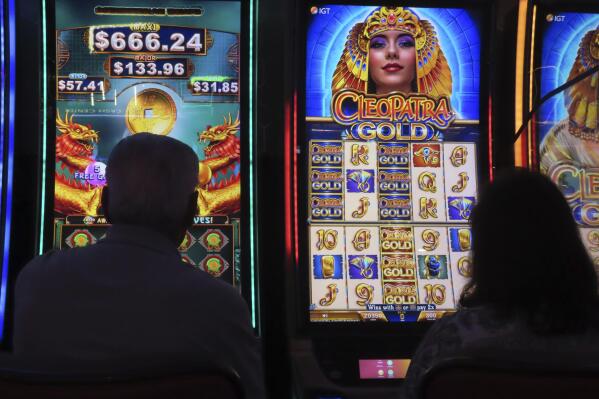
Additionally, the environment in which gambling takes place plays a significant role. Bright lights, engaging sounds, and the social atmosphere can create an immersive experience that enhances the excitement. Many gamblers find themselves entranced by these sensory elements, making it difficult to resist the urge to place another bet. This combination of biochemical responses and environmental stimuli forms a potent cocktail that drives gambling behavior.
The Role of Cognitive Biases
Cognitive biases heavily influence gambling decisions, often leading players to develop misconceptions about their chances of winning. One common bias is the „gambler’s fallacy,“ where individuals believe that past results will affect future outcomes, thinking they are due for a win. This faulty logic can create a cycle of continued betting, as players chase losses or celebrate wins that may not be indicative of future performance.
Another bias is the illusion of control, where gamblers feel they can influence outcomes through skill or strategy. This perception often leads to overconfidence, causing individuals to misinterpret luck as skill. Such cognitive distortions not only affect individual behavior but also contribute to broader gambling trends, reinforcing the idea that success is achievable.
Emotional and Social Factors
Emotions play a pivotal role in gambling decisions, with many individuals turning to gambling as an escape from stress or emotional turmoil. The thrill of gambling can provide a temporary distraction from everyday problems, creating a psychological dependency. This emotional connection can make it challenging for individuals to recognize when their gambling habits have become problematic.
Furthermore, social factors, such as peer influence, can also shape gambling behavior. Many people are introduced to gambling through friends or family, normalizing the activity and increasing its appeal. Social environments that promote gambling can amplify these emotional and psychological drivers, encouraging individuals to engage in riskier betting behaviors.
Impact of Myths and Misconceptions
Myths and misconceptions about gambling can perpetuate harmful behaviors and lead to poor decision-making. For instance, the belief that certain strategies can guarantee wins often misleads players into risking more money. These myths are sometimes propagated by popular culture, creating an unrealistic image of gambling as a surefire way to achieve wealth.
Additionally, misconceptions surrounding the odds and randomness of games can lead to misguided expectations. Many gamblers fail to understand that most casino games are designed to favor the house, which can result in significant financial losses over time. Addressing these myths is crucial for fostering a more informed perspective on gambling and its inherent risks.
Judicial Selection and Gambling Regulation
Understanding the psychology behind gambling is essential not only for individual players but also for policymakers and regulators. Awareness of how psychological factors influence gambling behavior can lead to better regulations that protect vulnerable individuals from the potential harms of gambling addiction. This knowledge can inform judicial selection processes, guiding the development of laws and frameworks to ensure responsible gambling practices.
Ultimately, a comprehensive understanding of gambling psychology can enhance awareness and education, helping to create a safer environment for all participants. By addressing the complex interplay of emotions, cognitive biases, and social influences, we can promote a more responsible approach to gambling, benefiting individuals and society as a whole.
